Fluent readers
You read the Quran but aren't sure your recitation is correct.
Tajweed course
علم التجويد
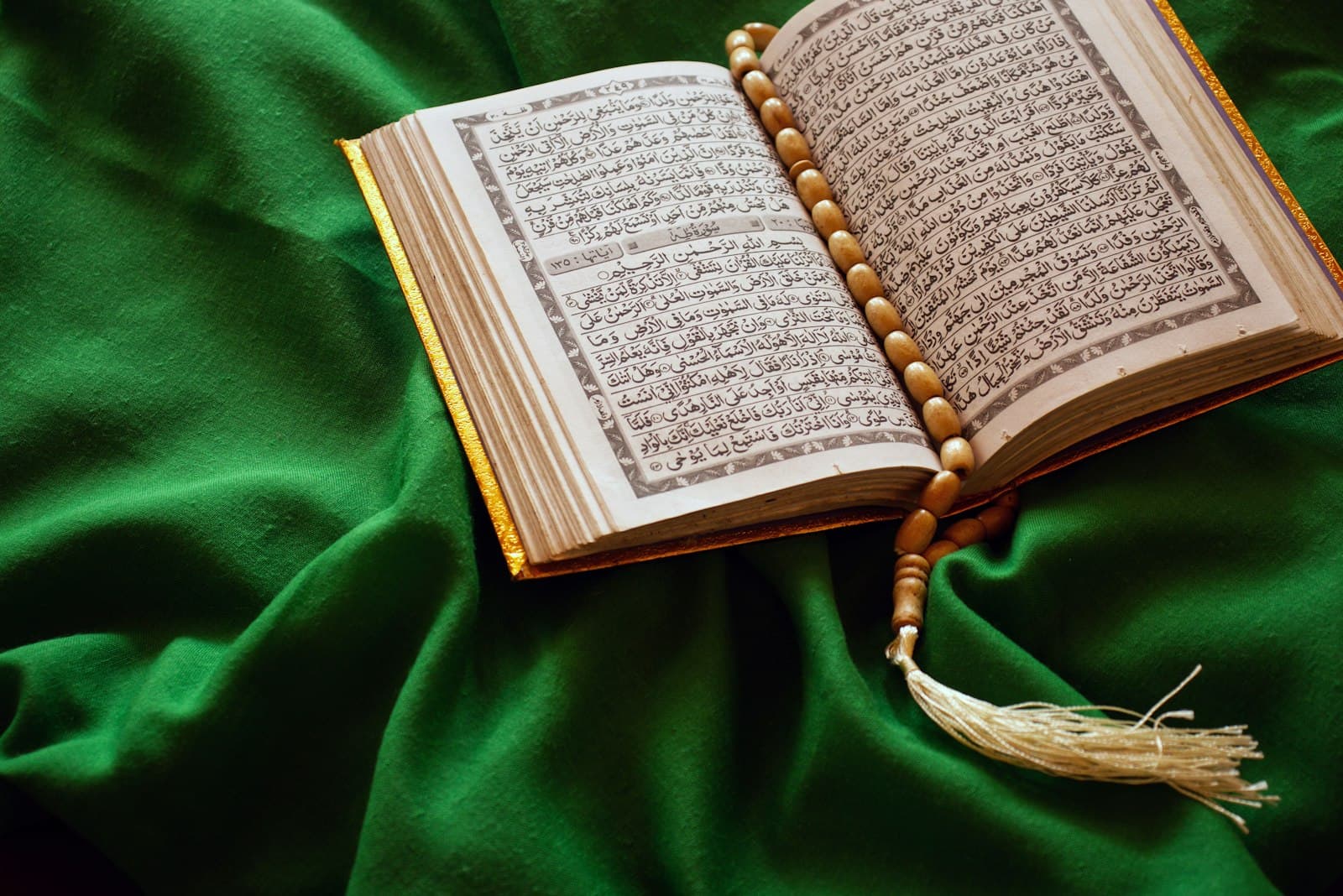
Tajweed is the science of reciting the Quran correctly, giving every letter its right and its due. Our structured course pairs clear explanations with plenty of guided practice, so the rules move from your notebook into your recitation.
Plans from
$45/month
What you'll learn
Learn the rules of Tajweed — Makharij, Noon & Meem Sakinah, Madd, Qalqalah and more — and apply them in your own recitation with a qualified teacher.
Course roadmap
Every student moves at their own pace. Your teacher assesses your level in the free trial and starts you at exactly the right stage.
The 17 articulation points of the Arabic letters across the throat, tongue, lips, nasal passage and the open mouth.
The permanent characteristics that make each letter unique, including heavy (Tafkheem) and light (Tarqeeq) letters.
The four rules — Izhar, Idgham, Iqlab and Ikhfa — practiced with examples from the Quran.
Ikhfa Shafawi, Idgham Shafawi and Izhar Shafawi, plus the nasal sound of Ghunnah.
The echoing letters (ق ط ب ج د) and the types of Madd, from the natural two-count Madd to the six-count Madd Lazim.
Stopping and starting correctly, reading the stop signs in the Mushaf, and polishing a complete recitation.
Who it's for
You read the Quran but aren't sure your recitation is correct.
Build a solid Tajweed base before — or alongside — memorization.
Refine your recitation and learn to explain the rules clearly to others.
Learn the rules so you can confidently support your children's practice at home.
وَرَتِّلِ الْقُرْآنَ تَرْتِيلًا
“And recite the Quran with measured, beautiful recitation.”
Surah Al-Muzzammil · 73:4
Course FAQ
Can't find what you're looking for? Our admissions team is happy to help — usually within a few hours.
Still have questions?
Message us on WhatsApp or email [email protected]. We reply within a few hours, insha'Allah.
Classical scholars such as Imam Ibn al-Jazari taught that applying the rules of Tajweed when reciting is required, while studying the detailed theory is a communal obligation. Our course covers both the practical and theoretical sides.
Yes. Tajweed has always been taught by listening and correction (talaqqi). Live 1-on-1 video classes let your teacher hear every letter clearly and correct you instantly.
We teach the recitation of Hafs 'an 'Asim, the most widely used narration in the world. Advanced students can ask about other narrations.
Keep learning
 اقرأBeginner → Intermediate
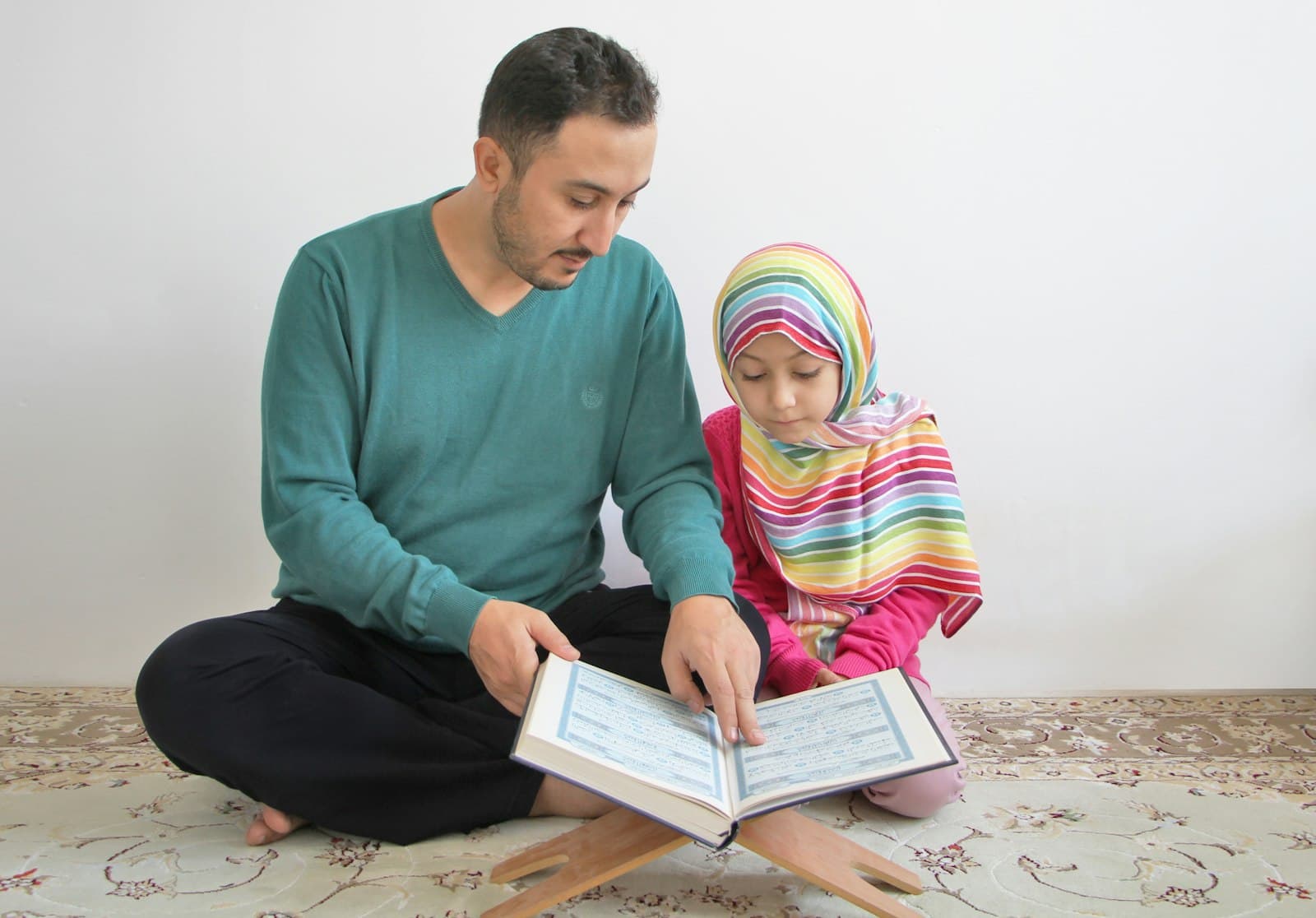
Build fluency reading directly from the Mushaf with a teacher correcting every mistake — the natural next step after Noorani Qaida.
 حفظFluent reader
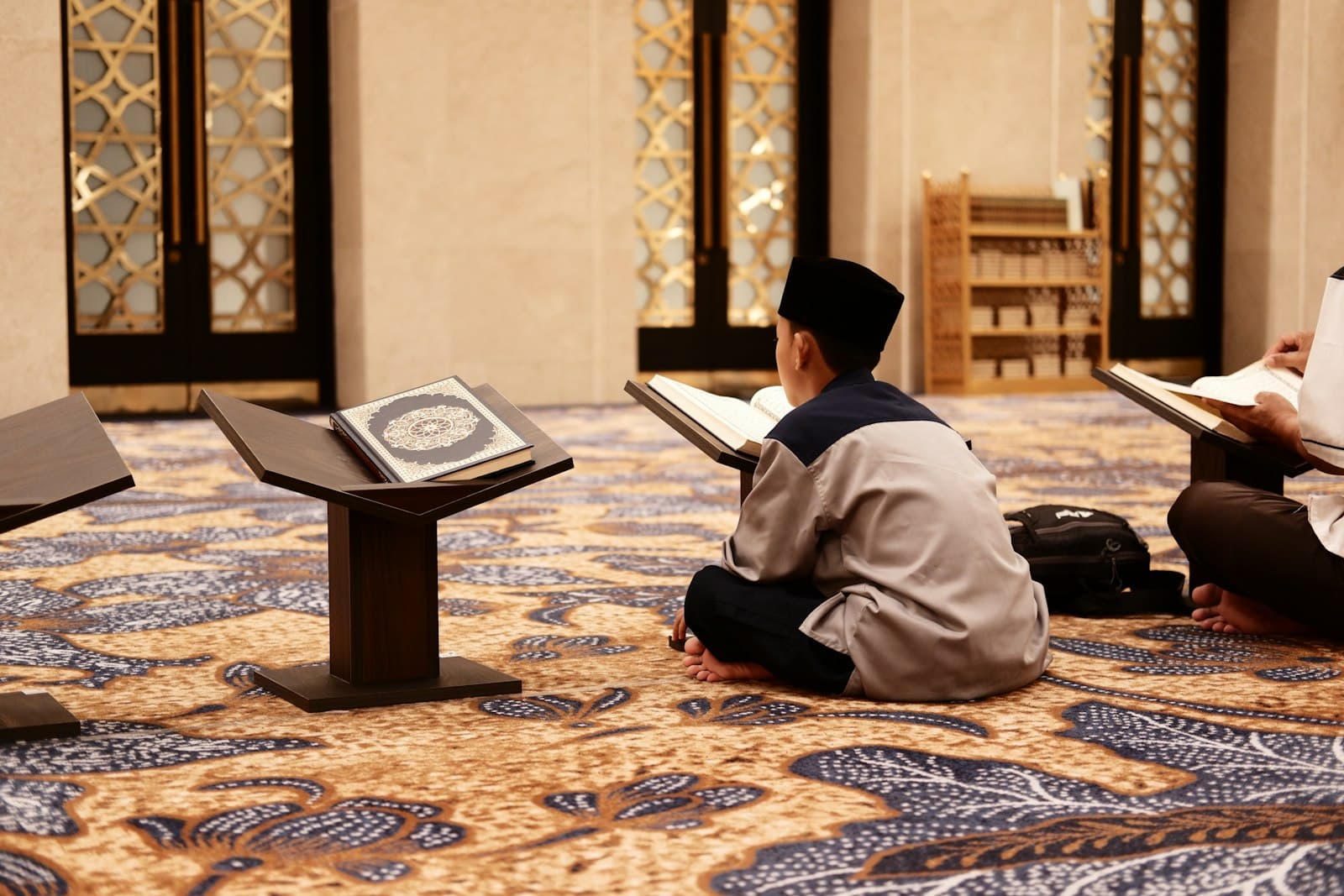
A structured Hifz program with daily new lessons, revision and progress tracking — for kids and adults, from Juz 'Amma to the complete Quran.
إجازةAdvancedFor advanced reciters: complete a full recitation of the Quran with a certified Sheikh or Sheikha and earn an Ijazah with Sanad in Hafs 'an 'Asim.

Book 3 free trial classes with a certified teacher. No credit card, no commitment — just a warm, real lesson at a time that suits you.
We reply within a few hours, insha'Allah.