What Is Noorani Qaida? The Beginner's Path to Reading the Quran
A clear guide to Noorani Qaida — what it teaches, how long it takes, common mistakes and how parents can help children (and adults) learn to read the Quran.
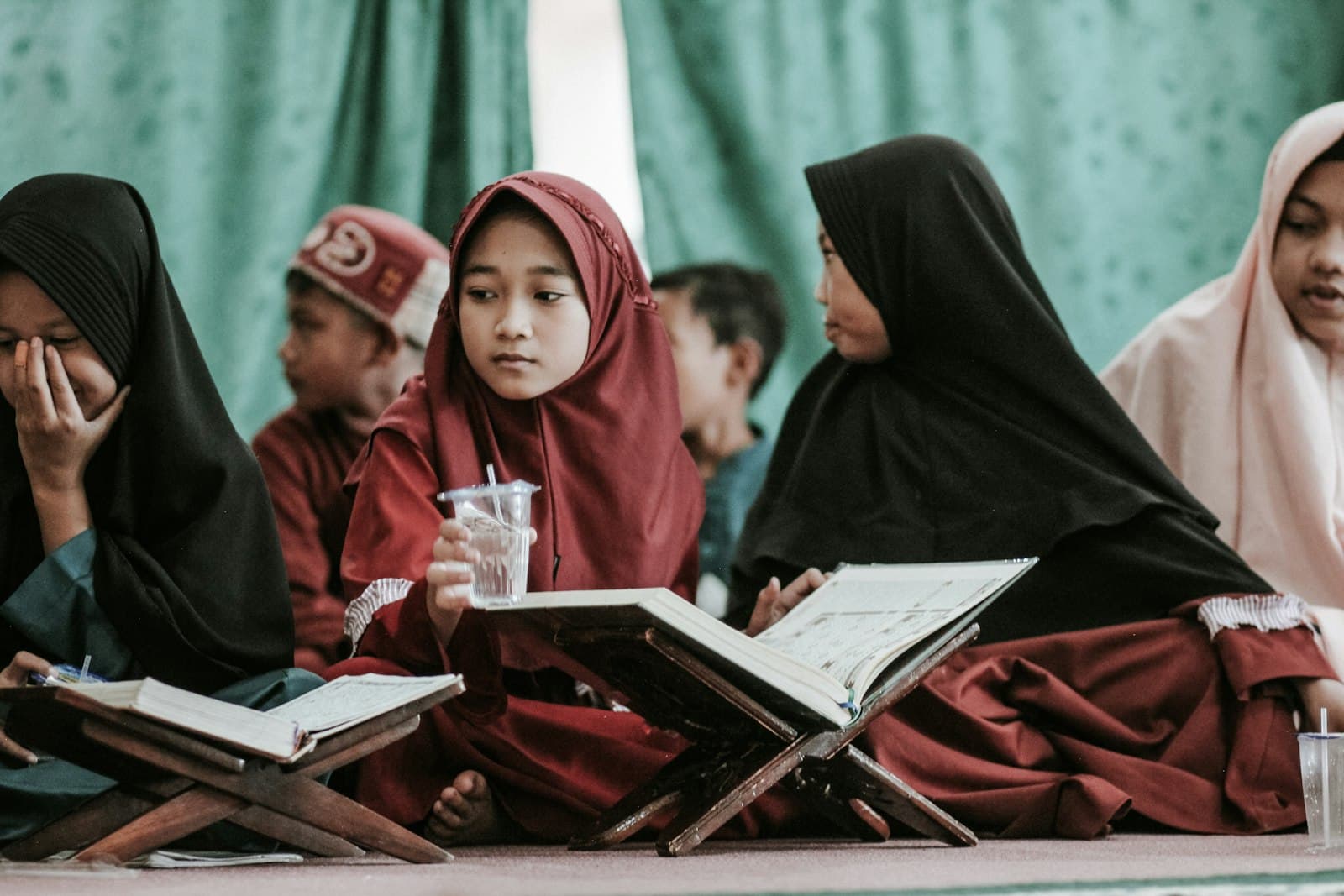
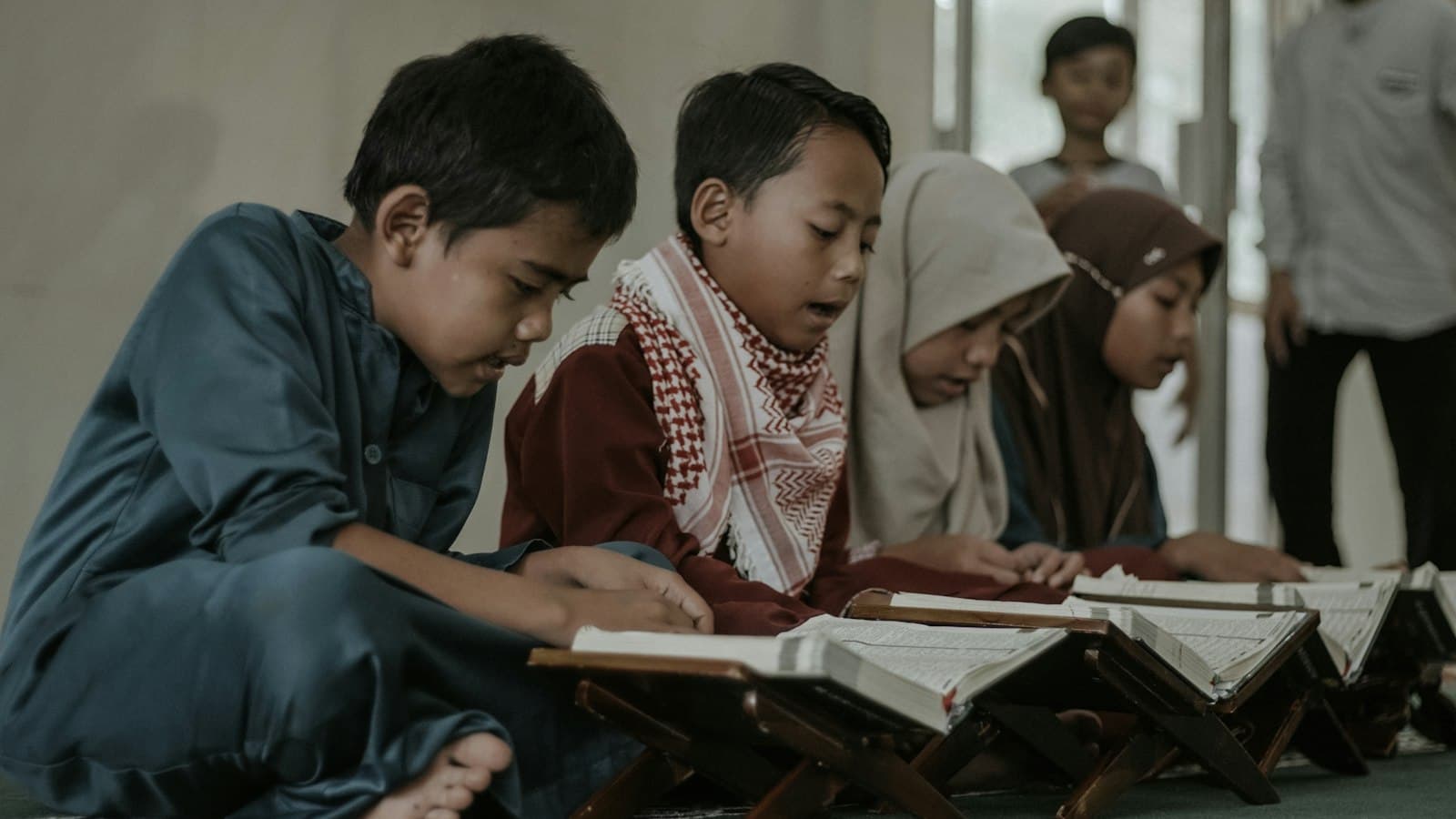
If you've ever asked, “Where should my child start with the Quran?” — the answer is almost always Noorani Qaida. It's the step-by-step primer that has taught generations of children and adults across South Asia, the UK and now America to read the Quran accurately.
In this guide, we'll explain what Noorani Qaida is, what each stage teaches, how long it takes and how you can help at home.
What is Noorani Qaida?
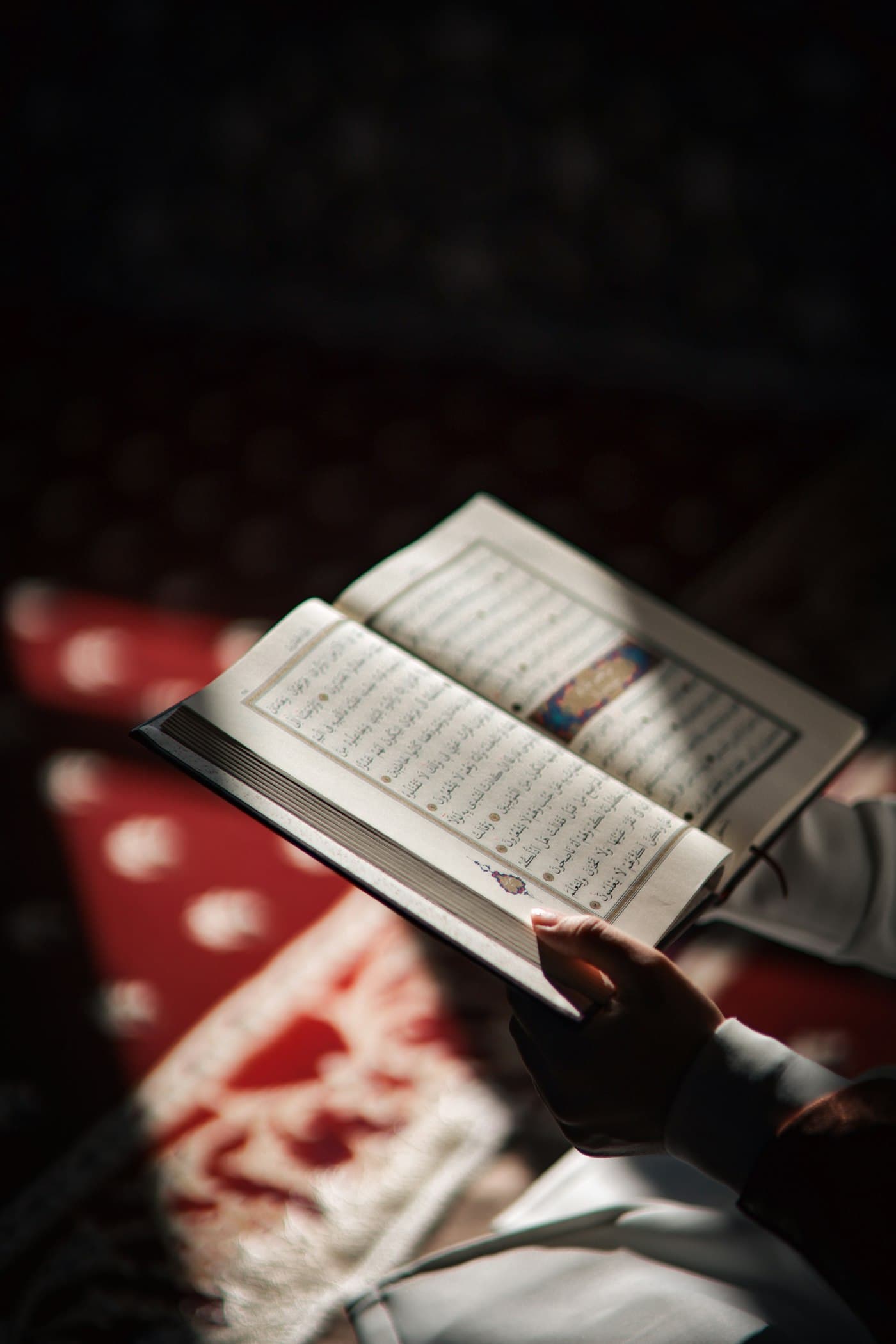
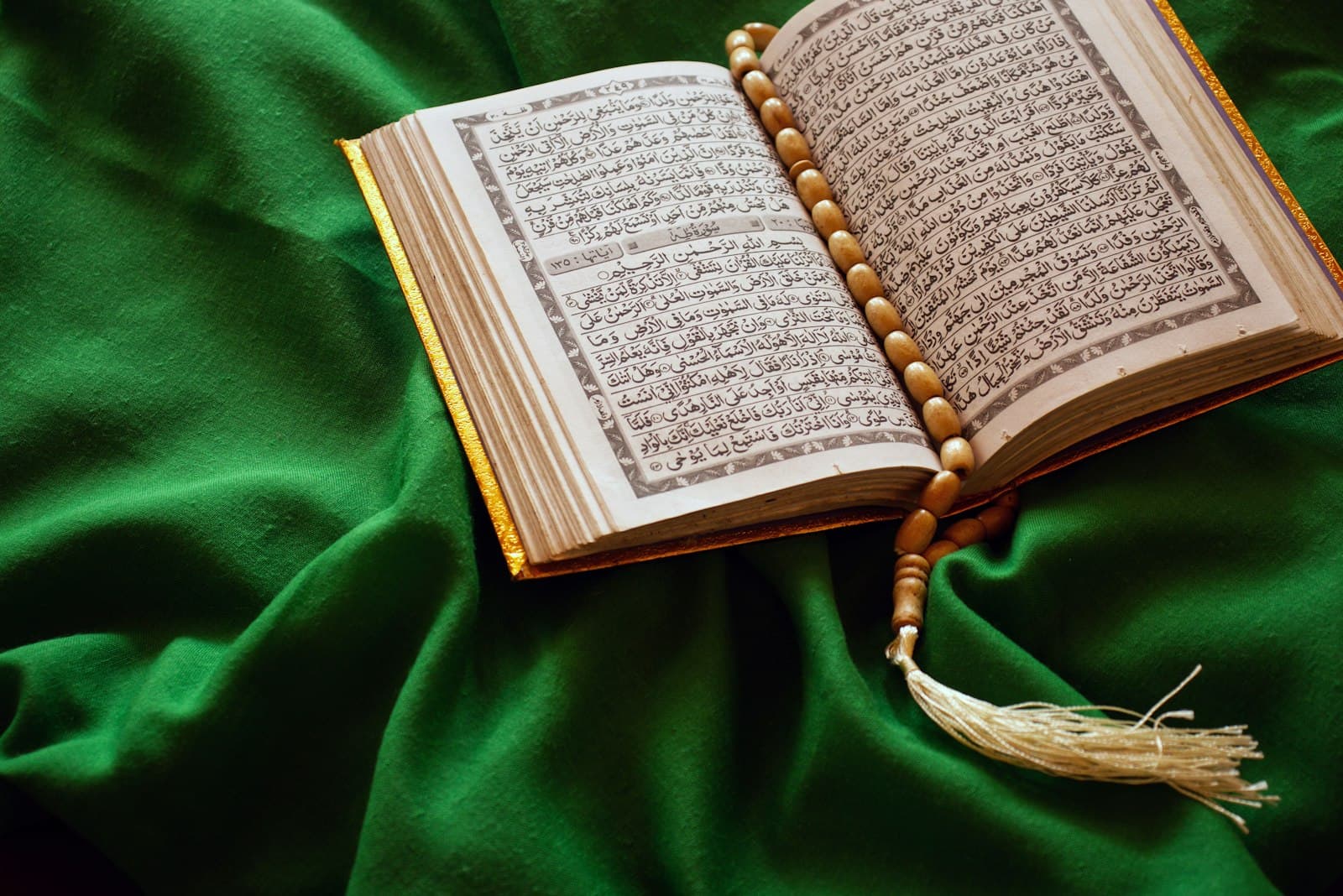
Noorani Qaida (القاعدة النورانية) is a beginner's book for learning to read Quranic Arabic. It is named after its compiler, Sheikh Noor Muhammad Haqqani, and is designed to take a complete beginner from the individual letters of the Arabic alphabet to reading words and short verses with correct pronunciation.
Its strength is its method. Every lesson builds directly on the one before it, and each new sound is practiced over and over until it becomes natural. Along the way, students absorb the foundations of Tajweed — without needing to memorize complicated rules first.
What does Noorani Qaida teach?
Editions differ slightly, but the journey usually looks like this:
- Single letters (Huroof Mufradat). The Arabic alphabet, with each letter pronounced from its correct articulation point (Makhraj).
- Joined letters (Huroof Murakkabat). How letters change shape at the beginning, middle and end of a word.
- Disjoined letters (Huroof Muqatta'at). The mysterious letter combinations, such as الم, that open 29 surahs.
- Short vowels (Harakat). Fatha, Kasra and Damma — the small marks that tell you how to pronounce each letter.
- Tanween. The doubled vowel endings that produce an "n" sound.
- Long vowels (Madd) and soft letters (Leen). Stretching sounds for the right length — the rhythm of Quranic recitation.
- Sukoon and Shaddah. Letters without a vowel and doubled letters.
- Reading practice. Words, phrases and short verses that bring it all together.
How long does it take?
With three to five short classes per week, most children finish Noorani Qaida in three to six months. Adults are often quicker — around two to four months — because they can focus for longer and practice independently.
Speed isn't the goal, though. A student who takes six months and pronounces every letter correctly is in a far better position than one who rushes through in eight weeks and carries mistakes into their Quran reading.
Why pronunciation matters so much
Arabic contains sounds that don't exist in English — and some letters that sound similar to an English speaker change the meaning of a word entirely when mixed up. Common pairs to watch:
| Often confused | Why it matters |
|---|---|
| ح and ه | A deep throat sound versus a light breath |
| س and ص | A light "s" versus a heavy, full-mouthed "s" |
| ت and ط | A light "t" versus a heavy "t" |
| ذ, ز and ظ | Three distinct sounds English speakers often merge |
| ك and ق | A "k" from the mouth versus a "q" from deep in the throat |
This is exactly why learning with a live teacher is so valuable: an app can't reliably hear the difference between your ح and your ه, but a trained teacher can — instantly.
How parents can help at home
You don't need to read Arabic yourself to support your child:
- Practice little and often. Ten minutes a day beats one hour on Sunday.
- Sit nearby during class, especially for children under seven.
- Review the page the teacher assigned — even just listening to your child read it once more makes a difference.
- Celebrate milestones like finishing the alphabet or reading a first full verse.
- Keep it joyful. Never use Quran practice as a punishment.
What comes after Noorani Qaida?
Once a student can read words with Harakat, Tanween, Madd, Sukoon and Shaddah confidently, they move to reading from the Mushaf itself in our Quran Reading (Nazrah) course, usually beginning with the short surahs of Juz 'Amma. From there, many continue to Tajweed and Hifz.
Start your Qaida journey
Our Noorani Qaida course is taught live and one-on-one by patient, English-speaking teachers — with short, playful lessons for children and judgment-free classes for adults. Book 3 free trial classes to see how your child learns best.